LITURGY & SACRAMENTS
Mass & Confession
Weekend Qurbono schedule
Holy day liturgies
Confession availability
Weekend Qurbono Schedule
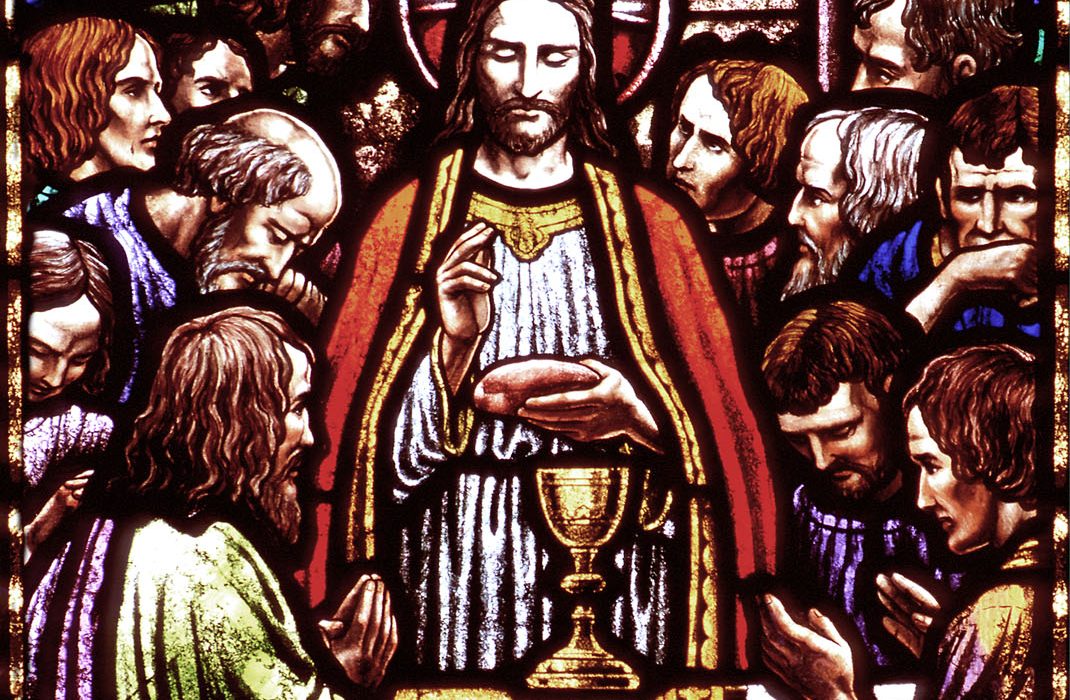
The Divine Liturgy, known in the Maronite tradition as the Qurbono, stands at the center of parish life and spiritual worship at St. Elias Maronite Catholic Church.
Rooted in the ancient Syriac-Antiochian tradition, the Qurbono combines sacred chant, scripture, incense, prayer, symbolism, and communal participation in a deeply reverent and spiritually rich liturgical experience.
Weekend liturgies bring together parishioners, families, youth, newcomers, and visitors in shared worship and fellowship. Liturgies are celebrated bilingually in Arabic and English while preserving important Syriac prayers and chants that connect the faithful to the ancient Christian heritage of Antioch and the Maronite Church.
Weekend & Liturgical Schedule
- Saturday evening liturgies
- Sunday Divine Liturgies
- Feast day schedules
- Livestream availability
- Seasonal schedule changes (Lent, Holy Week, Easter, Christmas)
Holy day liturgies
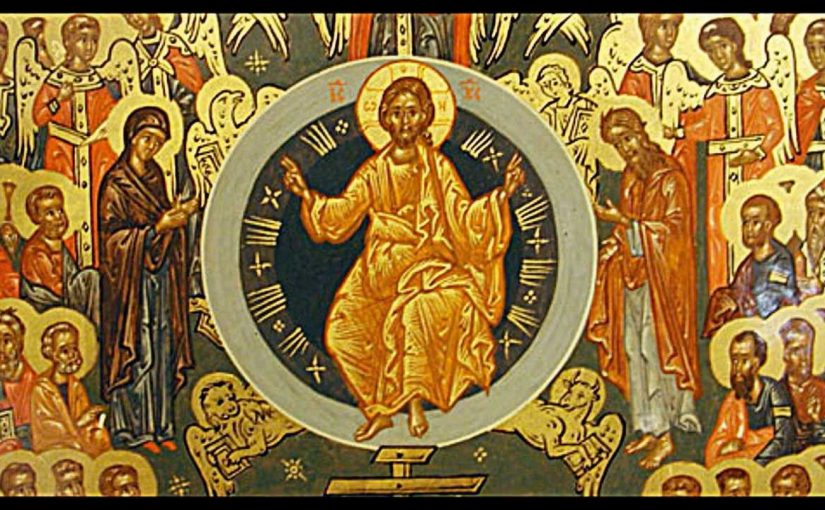
Throughout the liturgical year, St. Elias Parish celebrates major feast days and holy days that hold special significance within the Maronite and wider Catholic tradition. These liturgies provide opportunities for deeper prayer, reflection, communal worship, and celebration of the life of the Church.
Major liturgical celebrations may include:
- Feast of Saint Elias
- Feast of the Exaltation of the Holy Cross
- Christmas
- Holy Week and Easter
- Palm Sunday
- Feast of Our Lady of Lebanon
- Feast of Saint Joseph
- Marian feast days
- Lenten liturgies and devotions
Holy day celebrations within the Maronite tradition are marked by sacred chant, incense, processions, scripture readings, symbolic ritual, and strong family participation, reflecting the beauty and continuity of the Syriac-Antiochian liturgical heritage.
Confession Availability
The Sacrament of Reconciliation remains an important part of spiritual life within the Maronite tradition, offering the faithful an opportunity for repentance, healing, renewal, and reconciliation with God.
Confession is available regularly at St. Elias Parish, particularly:
- Before weekend liturgies
- During major feast days
- Throughout Great Lent and Holy Week
- By appointment with the pastor
The sacrament encourages spiritual reflection, personal renewal, and preparation for participation in the Eucharist and the broader sacramental life of the Church.
During the Lenten season, especially, parishioners are encouraged to participate more deeply in prayer, fasting, confession, and spiritual renewal.
Sacraments
Baptism
Marriage
First Communion
Confirmation
Funerals & Memorials
Anointing of the Sick
Baptism
Baptism marks the beginning of the Christian life and entry into the Church through water, prayer, anointing, and the grace of the Holy Spirit. Within the Maronite tradition, Baptism is celebrated with sacred chant, scripture, oil, incense, blessing, and communal prayer, reflecting the spiritual rebirth of the individual into the Body of Christ.
The sacrament emphasizes:
- Spiritual renewal
- Cleansing from sin
- Entrance into the Church
- Participation in the life of Christ
- Connection to the faith community
At St. Elias Parish, Baptism is typically celebrated within the Maronite liturgical tradition and may include Syriac prayers, Arabic and English participation, and strong family involvement.
Marriage
Marriage within the Maronite Church is understood as a sacred covenant rooted in love, sacrifice, unity, faith, and lifelong commitment before God. The Maronite marriage liturgy is rich in symbolism, sacred chant, incense, blessing prayers, and ancient traditions that emphasize the spiritual union of husband and wife.
One of the distinctive features of the Maronite wedding liturgy is the crowning ceremony, symbolizing dignity, sacrifice, responsibility, and the sacred nature of married life.
Marriage preparation focuses on:
- Spiritual readiness
- Sacramental understanding
- Communication and commitment
- Family life
- Faith-centered marriage
First Communion
First Communion marks an important spiritual milestone in the life of a child and family within the Church. Through preparation, catechesis, prayer, and participation in parish life, children are prepared to receive the Eucharist for the first time and deepen their relationship with Christ.
Within the Maronite tradition, the Eucharist stands at the center of spiritual life and communal worship. Preparation for First Communion emphasizes:
- Understanding of the Eucharist
- Prayer and faith formation
- Participation in the Divine Liturgy
- Spiritual growth and reverence
At St. Elias Parish, First Communion celebrations often involve family participation, liturgical celebration, community support, and ongoing faith formation within the life of the parish.
Confirmation
Confirmation strengthens the grace of Baptism through the gifts of the Holy Spirit and deepens the individual’s commitment to the faith and life of the Church. Within the Maronite tradition, Confirmation reflects spiritual maturity, discipleship, and active participation within the Christian community.
Preparation for Confirmation encourages youth to grow in:
- Faith and prayer
- Understanding of the sacraments
- Responsibility and leadership
- Service to others
- Participation in parish life
- Connection to the Maronite tradition
The sacrament often includes:
- Catechetical instruction
- Retreats and spiritual formation
- Participation in liturgical life
- Mentorship and community involvement
Funerals & Memorials
Funeral and memorial liturgies within the Maronite tradition emphasize prayer, hope, remembrance, and faith in the Resurrection of Jesus Christ. Through scripture, incense, sacred chant, and communal prayer, the Church accompanies families during times of grief and loss.
Key spiritual emphasis includes:
- Prayer for the departed
- Spiritual accompaniment
- Remembrance and dignity
- Hope in eternal life
- Family and community support
At St. Elias Parish, pastoral care and support are provided during funeral preparation, memorial services, and periods of mourning.
Anointing of the Sick
The Sacrament of the Anointing of the Sick offers spiritual strength, comfort, healing, and grace to those experiencing illness, advanced age, surgery, or physical and emotional suffering.
Within the Maronite tradition, this sacrament reflects Christ’s compassion for the sick and reminds the faithful that illness and hardship are never faced alone.
The sacrament may include:
- Anointing with blessed oil
- Prayers for healing and strength
- Scripture readings
- Confession and Eucharist when appropriate
- Pastoral visitation and support
Clergy at St. Elias Parish are available for hospital, home, and care facility visits whenever possible.
Liturgical Seasons
Holy Week
Good Friday
Palm Sunday
Easter
Christmas
Lenten Stations of the Cross
Holy Week
Good Friday
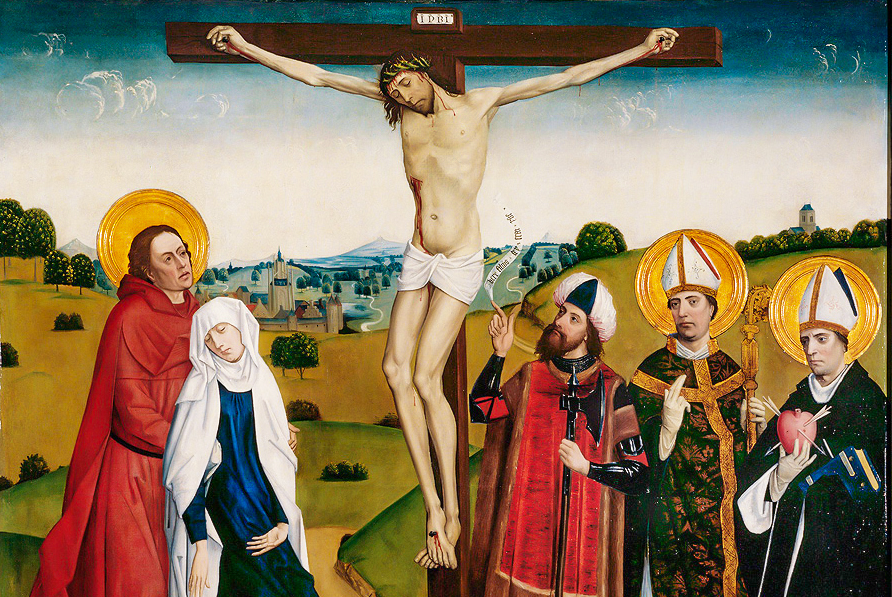
Good Friday in the Maronite tradition is one of the most solemn and emotionally powerful liturgical celebrations of the year. The liturgy reflects mourning, sacrifice, and contemplation of Christ’s crucifixion and death through sacred Syriac hymns, dark vestments, incense, candlelight, and funeral symbolism.
Particular emphasis is placed on:
- The Passion narrative
- The Burial of Christ
- Lamentation hymns
- Reverence before the Cross
- Silence and reflection
- Communal prayer and fasting
The Maronite Good Friday service carries a deeply monastic and contemplative atmosphere rooted in the ancient Syriac tradition.
Through prayer and sacred ritual, the faithful are invited to enter spiritually into the suffering of Christ while remaining hopeful in the promise of the Resurrection.
Palm Sunday
Palm Sunday marks the beginning of Holy Week and commemorates Christ’s triumphant entrance into Jerusalem. In the Maronite tradition, Palm Sunday is celebrated with great joy, solemnity, and strong family participation.
The liturgy typically includes:
- Blessing of palms
- Processions
- Sacred chant
- Children’s participation
- Scripture readings
- Hymns proclaiming Christ as King and Messiah
Palm Sunday reflects both celebration and spiritual preparation, as the Church transitions from the joy of Christ’s arrival in Jerusalem toward the solemn journey of His Passion and Crucifixion.
At St. Elias Parish, Palm Sunday serves as an important gathering of families and youth within the broader liturgical life of the parish.

Easter
Easter is the greatest and most joyful feast in the Maronite Church, celebrating the Resurrection of Jesus Christ and the victory of life over death. Following the solemnity of Holy Week and Good Friday, Easter liturgies are marked by radiant vestments, candlelight, sacred chant, incense, bells, and joyful proclamation.
The Resurrection liturgy emphasizes:
- Renewal
- Salvation
- Hope
- Eternal life
- Spiritual rebirth
- Victory over sin and death
The Easter season within the Maronite tradition also highlights communal celebration, hospitality, family gatherings, and the continuation of ancient Syriac hymns proclaiming the risen Christ.
At St. Elias Parish, Easter is celebrated with reverence, beauty, and joyful fellowship as parishioners gather to celebrate the heart of the Christian faith.
Christmas
Christmas in the Maronite tradition is a season of spiritual joy, sacred liturgy, family gathering, hospitality, and reflection upon the birth of Jesus Christ. The liturgical celebrations emphasize both the humility and divinity of Christ through candlelight, sacred chant, incense, scripture readings, and prayer.
The Christmas season often includes:
- Christmas Eve Divine Liturgy
- Christmas Day celebrations
- Nativity imagery
- Syriac hymns
- Blessing of families and homes
- Gatherings rooted in hospitality and fellowship
Within the Maronite tradition, Christmas also carries strong themes of hope, peace, renewal, and the light of Christ entering the world.
Parish celebrations frequently bring together multiple generations through worship, meals, music, and communal celebration.

Lenten Stations of the Cross
During Great Lent, the Stations of the Cross provide an opportunity for reflection upon the suffering, sacrifice, and love of Christ on the journey to Calvary. Within the Maronite tradition, Lent is approached as a season of prayer, fasting, repentance, charity, and spiritual renewal.
The Stations of the Cross are often accompanied by:
- Syriac and Arabic hymns
- Candlelight
- Incense
- Scripture meditation
- Communal prayer
- Periods of silence and reflection
The Lenten season encourages the faithful to deepen their spiritual lives through sacrifice, prayer, reconciliation, and acts of charity while preparing for the joy of Easter and the Resurrection.