Distinctive Traditions
The Maronite Cross
Incense traditions
Syriac chant
Arabic and English participation
Distinctive Traditions


The Maronite Cross
The Maronite Cross is one of the most recognizable symbols of the Maronite Church and reflects the spiritual and theological heritage of the Syriac Christian tradition.
Unlike the standard Latin cross, the Maronite cross often features widened or flared ends that symbolize glory, resurrection, sacrifice, and the eternal presence of Christ.
The Cross occupies a central place within Maronite spirituality and liturgical life:
- It is carried in processions
- Elevated during feast celebrations
- Venerated during Holy Week
- Integrated into sanctuary design and vestments
- Prominently displayed within homes and parish life
The Feast of the Exaltation of the Holy Cross holds particular importance within the Maronite tradition and remains one of the most celebrated annual feasts at St. Elias Parish.
For Maronite Christians, the Cross symbolizes:
- Perseverance through suffering
- Faith during persecution
- Hope through sacrifice
- Continuity across generations
- Spiritual victory through Christ
Incense Traditions
Incense plays a deeply symbolic and visible role within the Maronite liturgical tradition. The use of incense during the Qurbono and major liturgical celebrations reflects reverence, purification, prayer, and the presence of the sacred.
Within the Maronite Church, incense accompanies:
- Processions
- Gospel readings
- The consecration of the Eucharist
- Feast day liturgies
- Funerals and memorials
- Holy Week services
- Blessing rituals
The rising incense symbolizes the prayers of the faithful ascending to God and contributes to the contemplative and sacred atmosphere of worship.
Combined with candlelight, sacred chant, and liturgical movement, incense helps create the deeply spiritual and symbolic character of Maronite liturgy.
At St. Elias Parish, the use of incense remains an important part of preserving the beauty and continuity of the Syriac-Antiochian worship tradition.

Syriac Chant
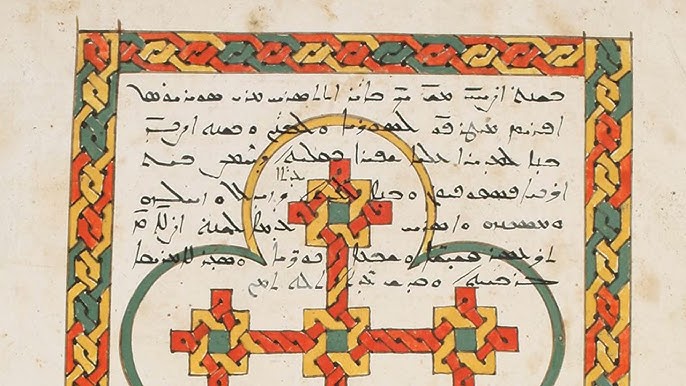
Sacred chant is central to the Maronite liturgical experience and remains one of the most distinctive elements of the Qurbono. Much of the liturgy is sung or chanted rather than spoken, reflecting the ancient Syriac Christian understanding of worship as both prayer and sacred proclamation.
The chant tradition includes:
- Syriac hymns
- Communal responses
- Scriptural chant
- Liturgical poetry
- Feast day hymns
- Penitential melodies during Lent and Holy Week
Syriac, a dialect of Aramaic spoken by Jesus Christ, remains preserved within many prayers and chants of the Maronite liturgy. These chants create a prayerful, reverent, and timeless atmosphere that connects worshippers to centuries of uninterrupted Christian tradition.
At St. Elias Parish, the preservation of sacred chant remains an important expression of Maronite identity and spiritual continuity across generations.
Arabic and English Participation
St. Elias Parish reflects the linguistic and cultural diversity of the Maronite community through the integration of Arabic and English within the Divine Liturgy and parish life while preserving important Syriac prayers and chants.
This bilingual approach allows:
- Younger generations to remain connected to their faith and heritage
- Newcomers and visitors to participate fully in worship
- Broader accessibility within Canadian society
- Preservation of both spiritual and cultural continuity
Arabic remains deeply connected to the lived cultural experience of many Maronite families, while English ensures accessibility and engagement for younger generations and the broader community.
Together with Syriac liturgical elements, this multilingual worship reflects the living continuity of the Maronite Church across history, migration, and generations.
