The Qurbono
Sacred chant
Prayer and symbolism
Monastic roots
Continuity across generations
Roman connection – Papal visits
Maronite Spirituality
Maronite spirituality is deeply rooted in prayer, sacred worship, monastic tradition, sacrifice, contemplation, and fidelity to the ancient Syriac-Antiochian Christian heritage of the Church.
Shaped by centuries of spiritual perseverance in the mountains and monasteries of Lebanon, the Maronite tradition emphasizes humility, silence, reverence, hospitality, and closeness to God through both communal worship and personal spiritual life.
The spirituality of the Maronite Church reflects:
- The early Church of Antioch
- Syriac Christian monasticism
- The heritage of Lebanon
- Communion with Rome
- The sacramental life of the Church
- Family and communal worship
At St. Elias Parish, this spirituality continues through the Qurbono, feast celebrations, sacred chant, prayer, charitable outreach, and the preservation of ancient liturgical traditions within modern Canadian society.
Sacred Chant
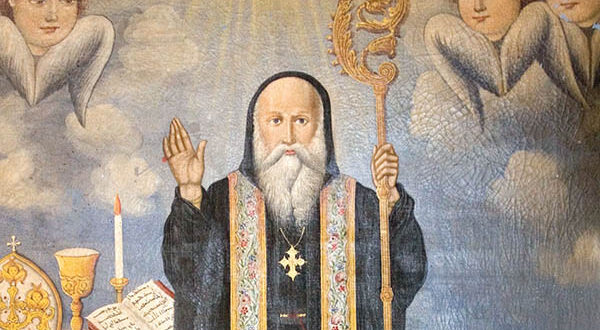
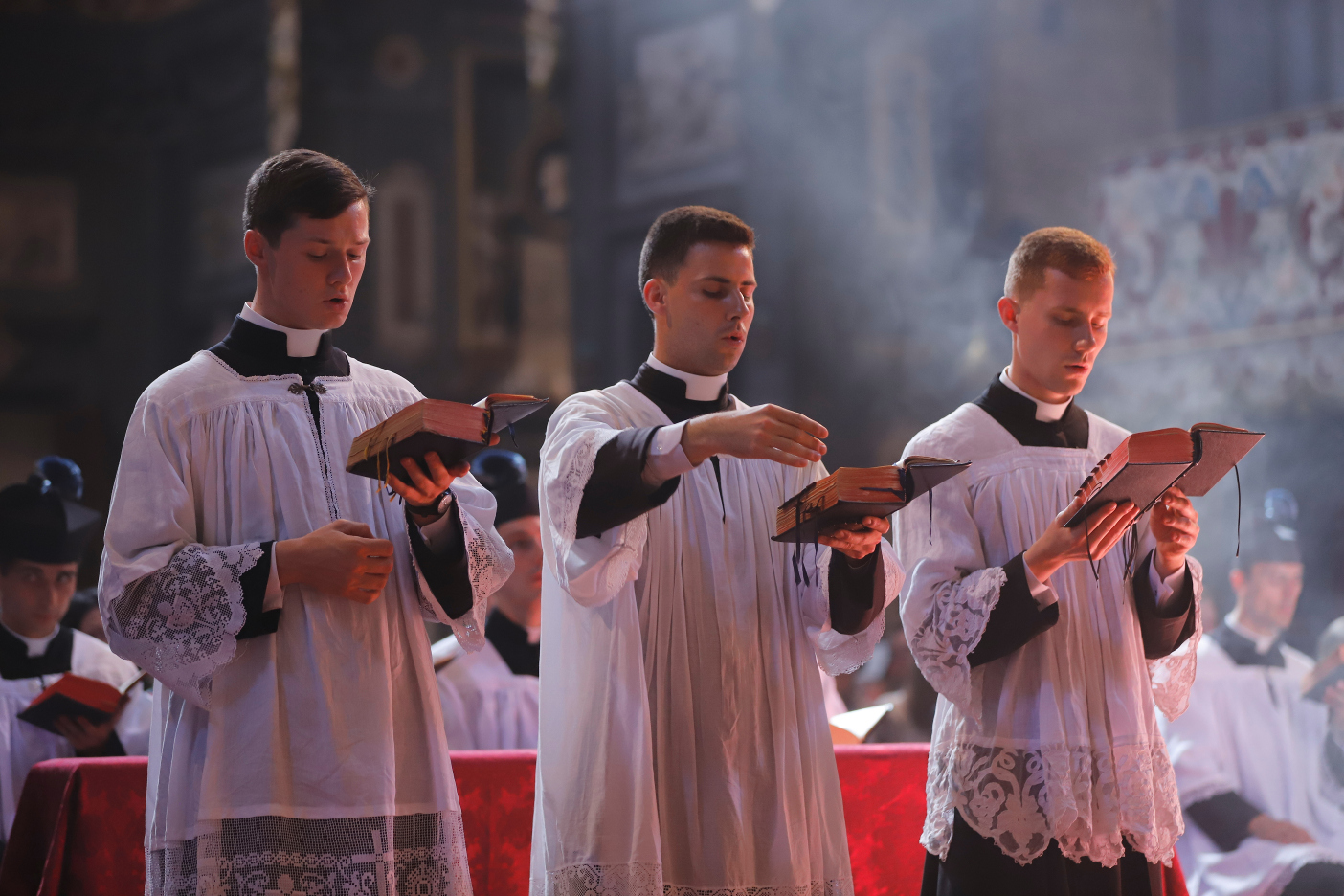
Sacred chant is one of the defining spiritual elements of the Maronite tradition and forms an integral part of the Divine Liturgy. Rather than viewing music as simply decorative, the Maronite Church understands chant as prayer itself — a sacred offering that elevates scripture, worship, and communal participation.
The liturgy incorporates:
- Syriac hymns
- Scriptural chant
- Communal responses
- Penitential melodies
- Feast day hymns
- Solemn Holy Week lamentations
The use of Syriac, a dialect of Aramaic spoken by Jesus Christ, connects worshippers directly to one of Christianity’s oldest living liturgical traditions.
Sacred chant helps create the contemplative and reverent atmosphere that distinguishes Maronite worship and preserves spiritual continuity across generations.
Prayer and Symbolism
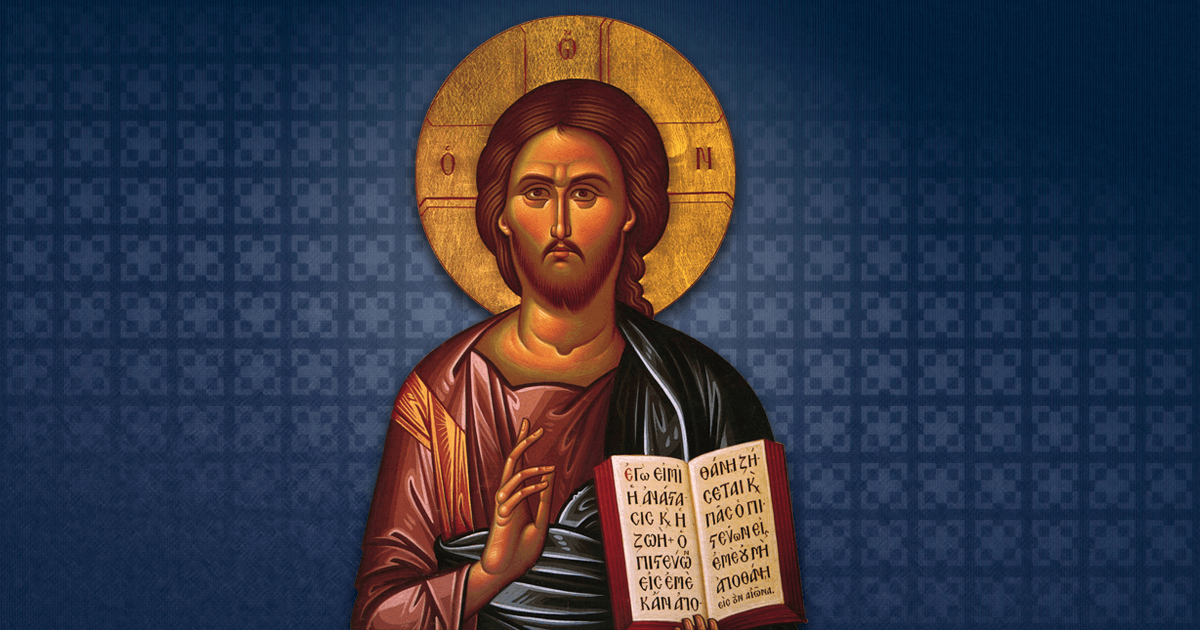
The Maronite liturgical tradition is deeply symbolic and engages the senses through incense, candlelight, sacred movement, vestments, chant, icons, scripture, and ritual.
Every aspect of the liturgy is intended to draw the faithful into deeper prayer, reflection, and communion with God.
Important spiritual symbols include:
- The Cross
- Incense rising as prayer
- Light overcoming darkness
- Communal chant
- Processions
- Fasting and penitence
- Liturgical seasons
- Sacred silence and contemplation
Prayer within the Maronite tradition extends beyond Sunday worship and forms part of daily family life, feast celebrations, fasting periods, charitable acts, and devotion to the saints.

Monastic Roots
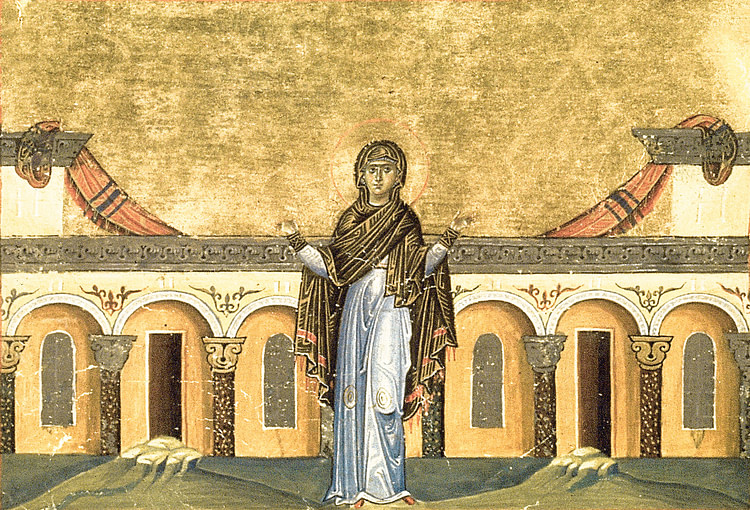
The Maronite Church traces its spiritual origins to Saint Maron, a hermit monk of the 4th and 5th centuries whose life of prayer, asceticism, and devotion inspired generations of followers throughout the region of Antioch and Lebanon.
Monastic spirituality remains central to Maronite identity and is reflected through:
- Prayer and contemplation
- Simplicity and humility
- Fasting and sacrifice
- Devotion to silence and reflection
- Communal worship
- Perseverance through hardship
The monasteries and hermitages of Lebanon, especially within the Qadisha Valley, played a critical role in preserving the Maronite faith, liturgy, language, and identity through centuries of political upheaval and persecution.
The spirituality of saints such as:
- Saint Charbel Makhlouf
- Saint Rafqa
- Saint Nimatullah Al-Hardini
Their witness continues to inspire Maronite faithful throughout the world and remains deeply connected to parish life at St. Elias.
Continuity Across Generations
One of the defining strengths of the Maronite Church is its ability to preserve faith, liturgy, spirituality, and identity across centuries and generations despite migration, persecution, and social change.
At St. Elias Parish, continuity across generations is reflected through:
- Bilingual liturgies
- Family-centered worship
- Youth formation
- Preservation of Syriac chant
- Feast day celebrations
- Intergenerational participation
- Cultural and spiritual education
Older generations help preserve traditions, language, prayer, and communal memory, while younger generations carry these traditions forward within contemporary Canadian society.
The parish serves as both a spiritual home and a bridge connecting heritage, faith, and future generations.
Roman Connection – Papal Visits
The Maronite Church is unique among Eastern Catholic Churches in having remained continuously in full communion with Rome throughout its history while preserving its own liturgical, spiritual, and canonical traditions.
This communion with the Holy See reflects both fidelity to the universal Catholic Church and preservation of the distinct Syriac-Antiochian identity of the Maronite tradition.
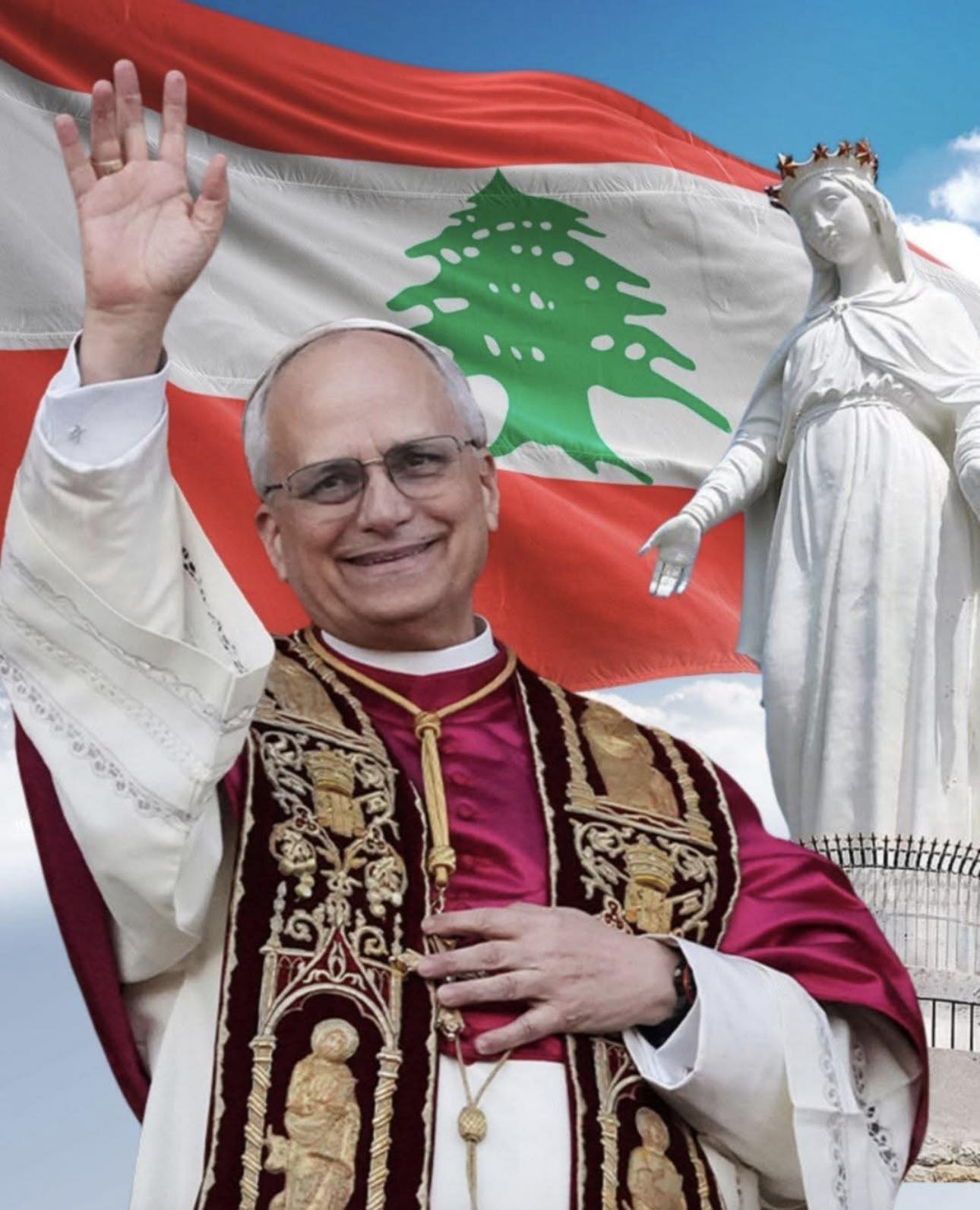
Papal visits to Lebanon and encounters between Maronite Patriarchs and the Vatican have carried profound spiritual and historical significance for Maronite Catholics worldwide.
These moments symbolize:
- Unity with the universal Church
- Support for Middle Eastern Christians
- Preservation of Eastern Christian traditions
- Encouragement during times of conflict and hardship
- Recognition of Lebanon’s Christian heritage and mission
The Maronite Church continues to maintain a strong spiritual and institutional connection with Rome while preserving its ancient liturgical identity, sacred traditions, and Eastern Christian spirituality.